Women's Wellness Series
Why More Women Are Turning Back to Gelatin as Their Bodies Change
A closer look at how traditional ingredients like gelatin fit into everyday habits, collagen support, and how women think about satiety and body composition.
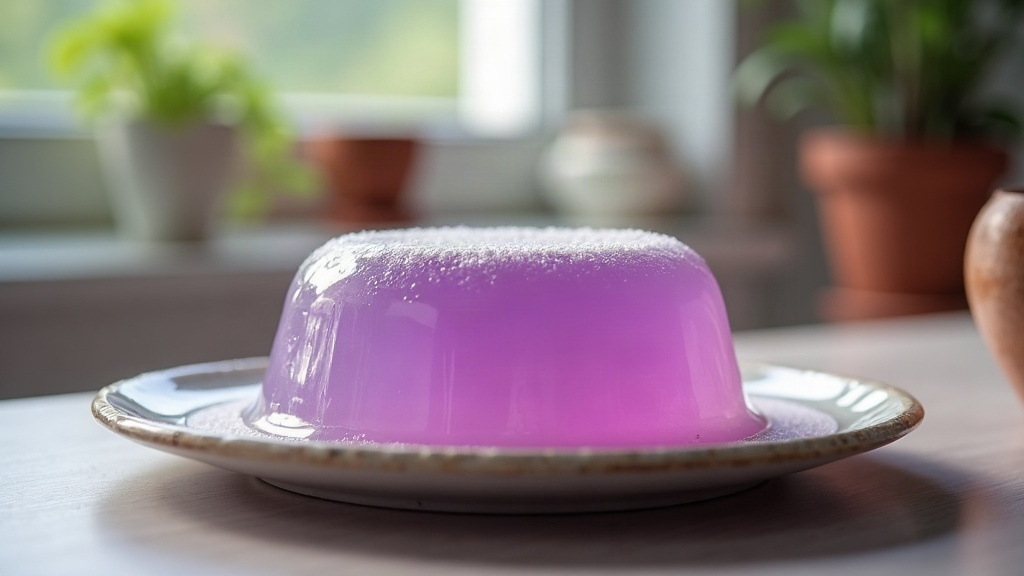
What Changes as a Woman's Body Evolves
Several physiological shifts are commonly discussed in relation to women’s wellness. Here’s an overview of four areas that often come up — including where gelatin enters the conversation.
Collagen Production Slows
Natural collagen synthesis tends to decline over time, which is part of why ingredients like gelatin — a collagen-derived protein — have drawn renewed interest in everyday nutrition.
Satiety Signals Shift
How full a meal feels can change over the years, prompting some women to look at protein sources and fiber-rich habits more closely.
Lean Mass Awareness Grows
Conversations about body composition increasingly focus on maintaining lean mass, not just a number on the scale.
Traditional Diet Approaches Get a Second Look
Restrictive, one-size-fits-all diet plans are being reconsidered in favor of simpler, more sustainable everyday habits.
Myths vs Facts: Metabolism and Women's Weight
Misinformation about metabolism circulates widely. Here’s how three common claims compare with a more measured understanding.
Metabolism completely stops after a certain age.
Metabolic rate can shift gradually over time, but it does not simply ‘stop’ — many factors, including muscle mass and activity, play a role.
Eating less is always the answer to feeling lighter.
Severely cutting calories can affect energy and satiety; many women focus instead on protein quality and consistent habits.
All protein sources affect the body the same way.
Protein sources vary in amino acid profile — collagen-based proteins like gelatin are discussed separately from muscle-building proteins for this reason.
A Simple, Habit-Based Approach
Rather than a strict program, many women describe folding small, consistent habits into their routine. Here’s a general framework often discussed.
Start With Awareness
Notice patterns around meals, hunger cues, and energy throughout the day before changing anything.
Introduce One Habit at a Time
Whether it’s a warm drink, a protein-rich snack, or a short walk, small additions tend to stick better than big overhauls.
Stay Consistent, Not Perfect
Habits compound gradually; the emphasis is on returning to them regularly rather than achieving daily perfection.
Where Gelatin Comes From — and Why It's Back in the Kitchen
Long before it appeared in modern wellness content, gelatin was a kitchen staple — used in broths, desserts, and traditional dishes passed down through generations. It’s derived from collagen, the same structural protein found in skin, connective tissue, and joints. As home cooking traditions faded in favor of convenience foods, so did everyday exposure to ingredients like this.
The recent interest in gelatin isn’t new — it’s a return to something many households already knew, seen now through a modern, ingredient-conscious lens.
Signs Women Often Discuss With Their Doctor
Changes in Hunger Patterns
Feeling hungry again shortly after eating is a commonly mentioned observation worth tracking.
Skin Feels Less Supple
Some women notice changes in skin texture or elasticity over time.
Joint Stiffness After Activity
Mild stiffness in joints, especially after periods of inactivity, is frequently brought up in wellness discussions.
Shifts in Weight Distribution
Where weight tends to sit on the body can shift gradually, independent of overall weight.
Afternoon Energy Dips
A noticeable drop in energy mid-day is a pattern many women describe monitoring.
Brittle or Slow-Growing Nails
Nail texture and growth rate are sometimes mentioned alongside broader conversations about protein intake.
What Women Are Saying

Testimonials reflect individual experiences and opinions. They are not a guarantee of any specific outcome. Individual results may vary.
Frequently Asked Questions
Hydrolyzed gelatin is gelatin that has been broken down into smaller peptides, making it easier to dissolve in liquids. It’s derived from the same collagen protein found in traditional gelatin.
Gelatin is derived from collagen through a cooking or processing method. They’re related but not identical in structure or use.
Many people incorporate gelatin into drinks, broths, or recipes as part of an everyday habit — always consider your own dietary needs and consult a healthcare professional.
No. Gelatin is discussed as one ingredient among many; it is not a substitute for varied, balanced nutrition.
No. This content is educational and general in nature. It is not intended to diagnose, treat, cure, or prevent any condition.
Some discussions link protein-rich ingredients, including gelatin, to how satisfied a meal feels — this is an area of general interest, not a guaranteed effect.
Women curious about traditional ingredients, collagen, and simple habit-based approaches to wellness may find this topic relevant.
Curious How Gelatin Fits Into a Modern Wellness Routine?
Watch the short video to learn more about the tradition, the science conversation, and the habits many women are revisiting.
Advertising Disclosure: This is sponsored content created in partnership with advertisers. It may contain affiliate links, and we may receive compensation for purchases made through those links at no additional cost to you.
Content Disclaimer: This content is for educational and informational purposes only. It has not been evaluated by the FDA. It is not intended to diagnose, treat, cure, or prevent any disease. Always consult a qualified healthcare professional before making changes to your diet or wellness routine.
Results Disclaimer: Individual results vary. Testimonials and examples shared reflect personal experiences and are not a guarantee of specific outcomes for any individual.
© 2026 · All Rights Reserved